Green Cities & Future Infrastructure
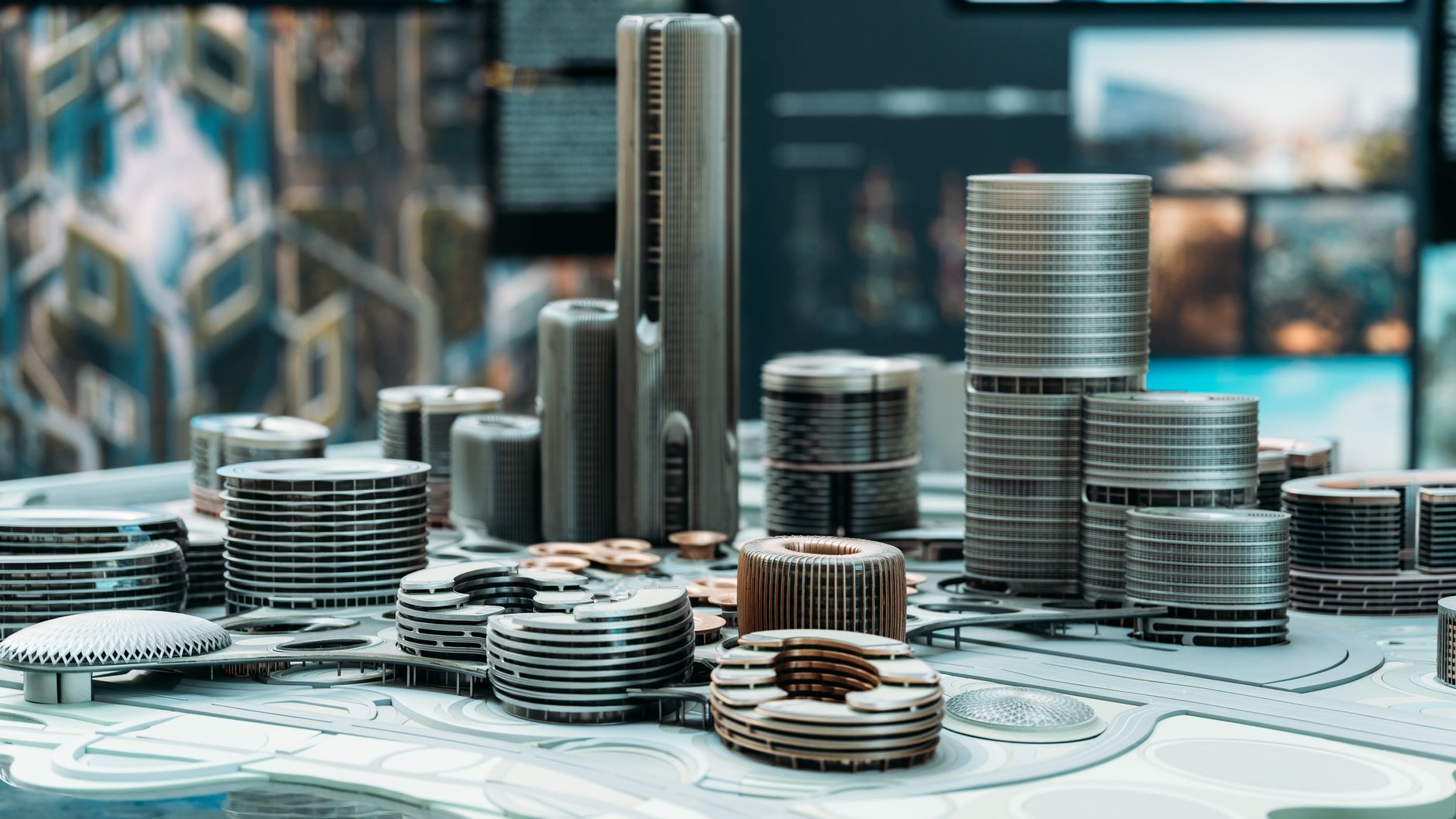
Modern development models emphasize structural transformation. As urbanization rates increase across major metropolitan hubs, municipal systems find themselves at a critical environmental and operational juncture. Traditional configurations struggle to support the load, and a shift towards sustainable, smart systems is becoming highly essential.
The Core Paradigms of Modern Green Design
Constructing a green environment requires going deeper than superficial aesthetic adjustments. It entails systemic integration of renewable energy grids, highly coordinated water catchment systems, automated traffic regulation networks, and sustainable transit links. It's about designing buildings that generate positive energy feedback and utilizing digital telemetry to detect systemic pipeline leaks instantly.
"Sustainable urban planning is not a premium luxury; it represents the primary survival strategy for our fast-developing cities."
Financing and Managing Public Transformations
The transition to sustainable cities presents complex public-sector financial responsibilities. Integrating solar grids, upgrading water plants, and digitizing traffic management systems requires massive upfront capital. Municipal authorities and private institutional investors are increasingly forming structured partnerships to secure development bonds specifically designated for ecological works.
These programmatic actions aren't merely defensive strategies against resource scarcity. They facilitate massive local career development, create modern technological jobs, reduce regional power dependency, and cultivate highly reliable public transport patterns that improve overall community productivity.